
Anemia in Children: A Comprehensive Guide for Parents
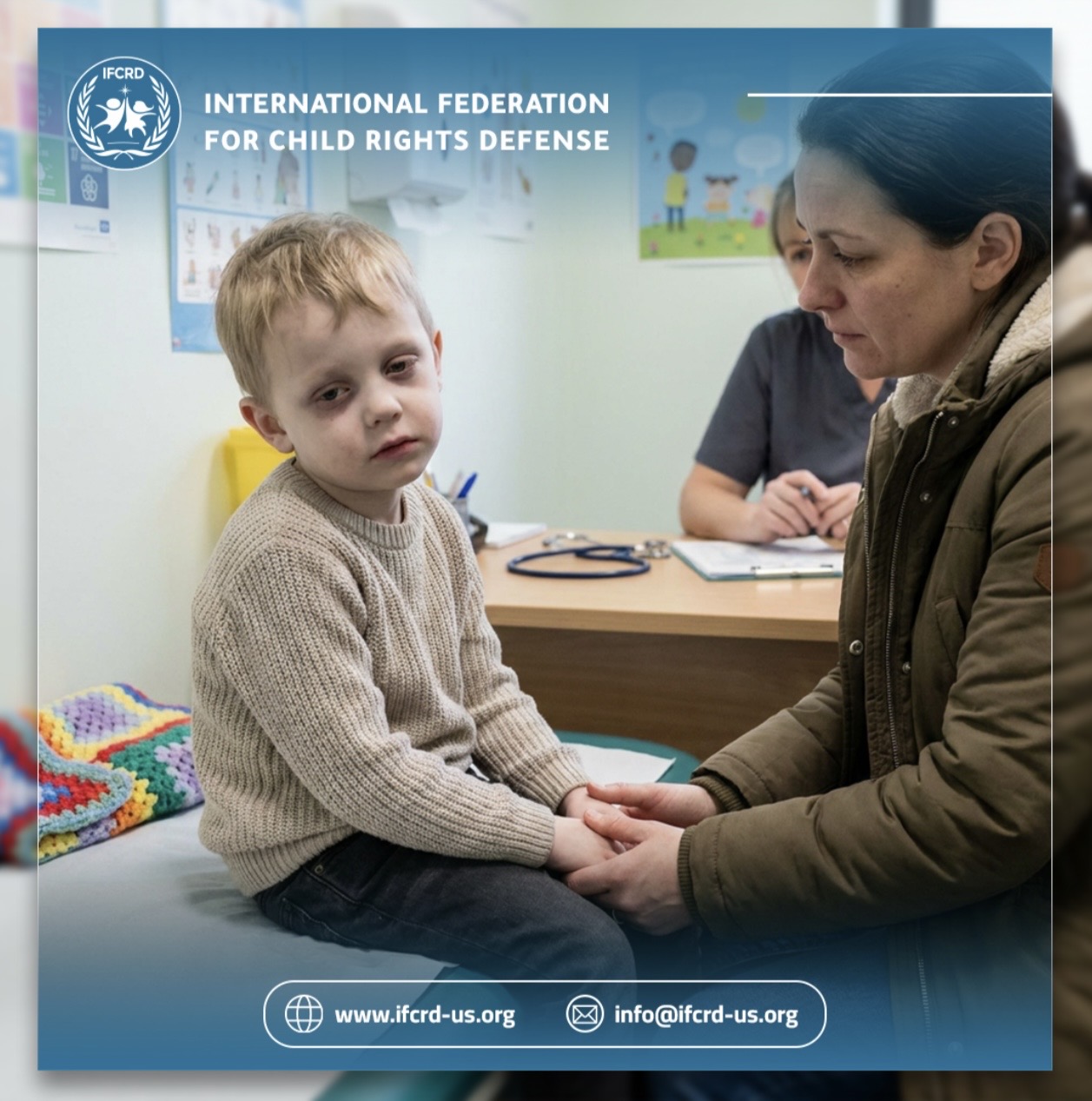
Anemia is one of the most common health problems among children. It occurs when the hemoglobin level in the blood falls below the normal range for a child’s age, reducing the blood’s ability to carry oxygen to the body’s tissues.
1. Common Types of Anemia
There are several types and causes of anemia. The most common types in children include:
🔹 Iron-Deficiency Anemia: The most prevalent type, resulting from inadequate iron intake or poor iron absorption.
🔹 Hemolytic Anemia: Occurs when red blood cells are destroyed faster than the body can replace them.
🔹 Sickle Cell Anemia: A hereditary disorder that alters the shape of red blood cells, potentially impairing blood flow and causing various health complications.
🔹 Thalassemia: A genetic disorder that affects hemoglobin production and causes varying degrees of anemia.
🔹 Megaloblastic Anemia: Often results from a deficiency of vitamin B12 or folic acid and may sometimes be associated with disorders affecting the absorption of these nutrients.
2. Main Causes
Several factors may contribute to the development of anemia, including:
🔹 An Unbalanced Diet: Such as consuming foods low in iron or excessive intake of cow’s milk at the expense of iron-rich foods.
🔹 Periods of Rapid Growth: Children require additional iron during growth spurts to support blood production.
🔹 Blood Loss: Due to certain chronic bleeding conditions or gastrointestinal disorders.
🔹 Poor Nutrient Absorption: Caused by diseases or conditions that interfere with the absorption of iron or vitamins.
🔹 Genetic Factors: Such as thalassemia and sickle cell anemia.
3. Warning Signs
Mild cases may not show obvious symptoms, but in more advanced cases, parents may notice:
🔹 Pale skin, gums, or the inner eyelids.
🔹 Persistent fatigue and lethargy.
🔹 Shortness of breath during minor physical activity.
🔹 Frequent dizziness or headaches.
🔹 Poor appetite.
🔹 Difficulty concentrating or declining academic performance.
🔹 Rapid heartbeat in some cases.
4. Prevention and Treatment
Treatment depends on an accurate diagnosis made by a physician. It usually begins with a Complete Blood Count (CBC) test and may require additional investigations, such as a Ferritin test, to determine the underlying cause.
Prevention Strategies
1. Balanced Nutrition: Provide iron-rich foods such as red meat, legumes, leafy green vegetables, and iron-fortified cereals.
2. Enhancing Iron Absorption: Encourage the consumption of vitamin C-rich foods, such as oranges, lemons, and strawberries, alongside meals.
3. Managing Milk Intake: Avoid excessive consumption of cow’s milk after one year of age to ensure a varied diet rich in iron.
Treatment Approaches
🔹 Iron Supplements: A physician may prescribe iron drops or syrup, with dosages tailored to the child’s age, weight, and medical condition.
🔹 Treating the Underlying Cause: If anemia is caused by another illness or medical condition, the root cause should be treated alongside correcting the deficiency.
💫 Important Note
Do not give your child iron supplements without medical advice, as excessive iron intake can be harmful. Proper medical diagnosis is the first and most important step in identifying the type of anemia and establishing the appropriate treatment plan.
📚 References
• World Health Organization (WHO) – Iron Deficiency Anemia: Prevention and Control.
• American Academy of Pediatrics (AAP) – Recommendations for the Diagnosis and Management of Anemia.