
Micro-Social Capital: The Invisible Role of Childhood Friendships in Shaping Future Leaders
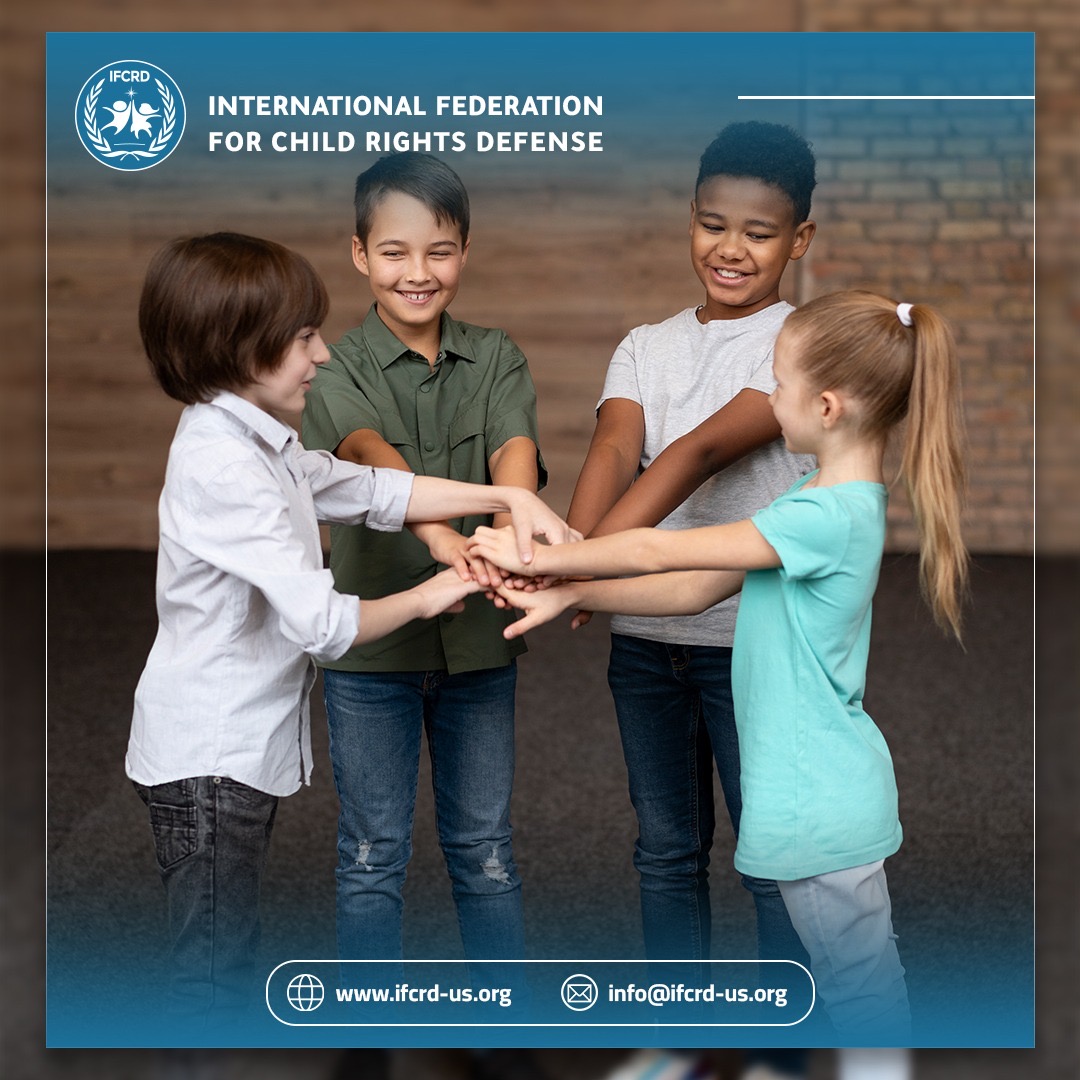
On the International Day of Friendship, educational and healthcare institutions worldwide are shifting their focus toward a concept that transcends mere children’s play and transient recreation. We view childhood friendship as the foundational investment in “micro-social capital”—the matrix where leadership traits are forged and the pillars of emotional and social intelligence are established. The child who masters the art of building resilient friendships today is the leader who will effectively manage teams and guide communities tomorrow.
I. The Primary School of Relationships and Depth of Connection
Childhood friendship serves as a comprehensive gateway to self-discovery and a deeper understanding of others. At this early stage of development, peer companionship evolves beyond sharing a classroom; it establishes an emotional and intellectual safety net through which children acquire essential communication skills, practice mutual sharing, and cultivate empathy for their peers.
Through this daily interaction, children learn to balance personal needs with the aspirations of their peers—forming the baseline of relationship intelligence that future leaders depend upon. The Greek philosopher Aristotle captured this profound human connection, stating: “Friendship is a single soul dwelling in two bodies,” a truth vividly reflected in the genuine bonds and natural spontaneity of children.
II. The Laboratory of Emotional Intelligence and Psychological Resilience
Within this unique childhood environment, future leaders undergo early training in active listening and unconditional acceptance. Free from complex social calculations, this space fosters raw spontaneity, offering children a vital opportunity to evaluate their behavior and build psychological resilience based on peer feedback.
In this context, the renowned philosopher and writer Elbert Hubbard noted: “A friend is someone who knows all about you and still loves you.” This sense of psychological safety within a peer group empowers children to innovate, articulate their ideas, and spearhead bold initiatives, entirely free from the fear of premature judgment.
III. Early Conflict Resolution and the Culture of Negotiation
Childhood friendships are not devoid of disagreements over a toy or a turn; yet, it is precisely within these moments that leadership value emerges. True friendship provides the first safe environment where a child practices conflict resolution, negotiation, and the resilience of offering an apology. The capacity to sustain a friendship despite differing perspectives serves as the ultimate litmus test for the fortitude of an emerging leader.
This aligns seamlessly with the insights of the pioneer of modern management, Peter Drucker, who emphasized that: “The most important thing in communication is hearing what isn’t said.” This nuanced skill cannot be lectured from textbooks; rather, it is honed and discovered amidst children’s laughter and spontaneous discussions.
IV. The Child Union Pillars: A Strategic Vision for Building a Leadership Generation
Driven by our mandate to support child protection and holistic development, the Child Union focuses on three primary awareness pillars to foster these social bonds:
* Provision of Safe Environments: Encouraging the creation of bullying-free, interactive spaces in schools and clubs that allow children opportunities for spontaneous gathering and building wholesome friendships.
* Mental and Social Health Awareness: Recognizing that a child’s social isolation poses a threat equivalent to physical illness, and actively working to integrate introverted children through carefully designed group activities.
* Life Skills Empowerment: Training children through specialized workshops on the concepts of sharing, accepting diversity, and the healthy expression of emotions.
V. A Guide for Mothers and Fathers: How to Guide Children in Choosing Friends
As the family remains the primary mentor, here are practical recommendations to support your child in cultivating their relationships:
* Teach the Language of Value, Not Appearances: Discuss with your children that a true friend is defined by integrity, honesty, and kindness—not by who possesses more toys.
* Observe from a Distance and Grant Autonomy: Avoid intervening in every minor dispute between your child and their peers; allow them to experience the skills of negotiation and apology independently to forge their character.
* Encourage Purposeful Joint Activities: Organize playdates centered around collaborative tasks that reinforce the concepts of teamwork and alliance in the child’s mind.
* Lead by Example in Your Own Relationships: Children closely observe how their parents interact with friends. When they witness you treating your friends with respect and solidarity, they will instinctively seek similar dynamics in their own lives.
VI. Social Capital and the Architecture of a Better Tomorrow
The construction of resilient societies and the prosperity of nations begin with the quality of the bonds we instill in the hearts of our children. Early childhood friendship is not a luxury; rather, it is a foundational investment in “human and social capital”—a fertile breeding ground where the values of loyalty, accountability, and inspiring leadership take root.
As the British philosopher and essayist Francis Bacon profoundly noted: “Friendship redoubleth joys, and cutteth griefs in half.” This is precisely the ethos embodied by a young leader who shares the joy of victory with peers and extends unwavering solidarity during setbacks, enabling today’s generation to step confidently into the future with a sound and holistic well-being.
📚References
* National Institutes of Health (NIH). (2017). Future Directions for Friendship Research of Childhood and Early Adolescence. National Library of Medicine database, PubMed Central ID: PMC5619663.
* Taylor & Francis International Academic Platform. (2024). Friendships among Young Children and their Relations to Prosocial Behavior. Early Child Development and Care, Volume 194.
* ResearchGate Global Research Portal. (2019). Friendships in Middle Childhood: Links with Peers, School Identity, and Self-Esteem. Journal of Social and Personal Relationships, Volume 36.
* United Nations (UN). (2026). Developmental Background and Strategic Vision of the International Day of Friendship: Empowering Social Leadership Skills in Youth. Department of Economic and Social Affairs (DESA).