
More Than Just Entertainment: The Four Dimensions of Free Play in Shaping Leadership and Self-Efficacy in Children 🎭
Modern educational and psychological studies indicate that play is not merely a means of enjoyment or filling free time, but rather a fundamental pillar and an educational approach based on designing and preparing the environment surrounding the child and stimulating activities that support learning through play. It is sometimes referred to descriptively as “play architecture,” which transforms spontaneous play into an integrated constructive tool for refining personality and developing self-reliance skills.
In this comprehensive article, the International Union for the Defense of Children’s Rights reviews the scientific and educational dimensions of play, its main axes of which are unstructured free play, cooperative play, and self-talk, and the impact of each on shaping an independent personality capable of creative thinking and innovation.
First: Unstructured Play and Its Impact on Developing Creative and Thinking Abilities
Unstructured play is defined as the activity This stems from the child’s intrinsic motivation, as they possess complete freedom to choose the type of activity, set rules, and manage their time without direct intervention or guidance from adults.
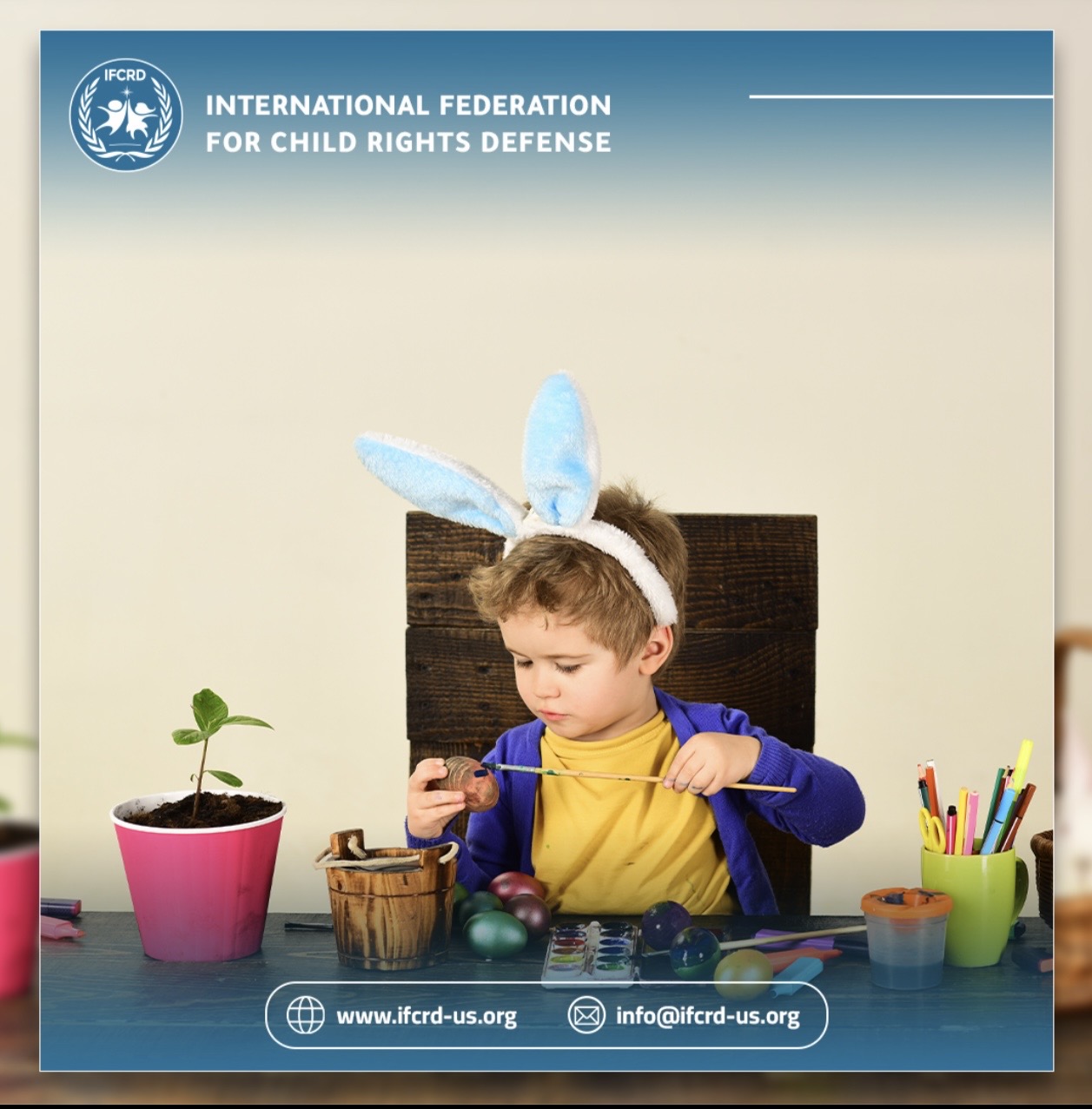
* Stimulating flexible thinking and innovation: In the absence of ready-made instructions and traditional play patterns, the brain is forced to activate creative thinking cells. Transforming simple objects and raw materials from the surrounding environment into meaningful tools (such as making models from cardboard or sculpting clay) develops visual and spatial intelligence and the ability to imagine.
* Developing problem-solving skills: During free play, the child encounters natural obstacles and challenges. The absence of ready-made solutions from adults gives them the golden opportunity to try multiple strategies, fail, and then try again, thus building the skill of logical and independent problem-solving .
* Enhancing self-efficacy and psychological resilience: When the child leads their own experience, they develop a sense of control and the ability to manage their affairs, which is the core of building psychological resilience and the ability to withstand future challenges.
Second: Free Play Techniques: Creating an Environment that Stimulates Discovery.
Applying “Play Architecture” requires following specific techniques to achieve maximum results. Leveraging free play and ensuring it becomes a safe environment for discovery:
* Providing open-ended materials: Relying on toys and tools that don’t impose a fixed end, such as wooden blocks, clay, drawing tools, and natural elements (like sand and water). These tools give the child space to express their ideas without restrictions.
* Intelligent supervision: In this technique, the role of caregivers is limited to being present in the environment to ensure physical safety only, while completely refraining from interfering, correcting mistakes, or imposing “correct” ways of playing from an adult’s perspective.
* Recycling boredom: Caregivers should not rush to offer ready-made stimuli (like screens and electronic devices) as soon as the child complains of boredom. In educational psychology, boredom is a physiological drive that prompts the brain to generate creative ideas and new free play activities.
Third: Cooperative play: A laboratory for social intelligence and conflict resolution.
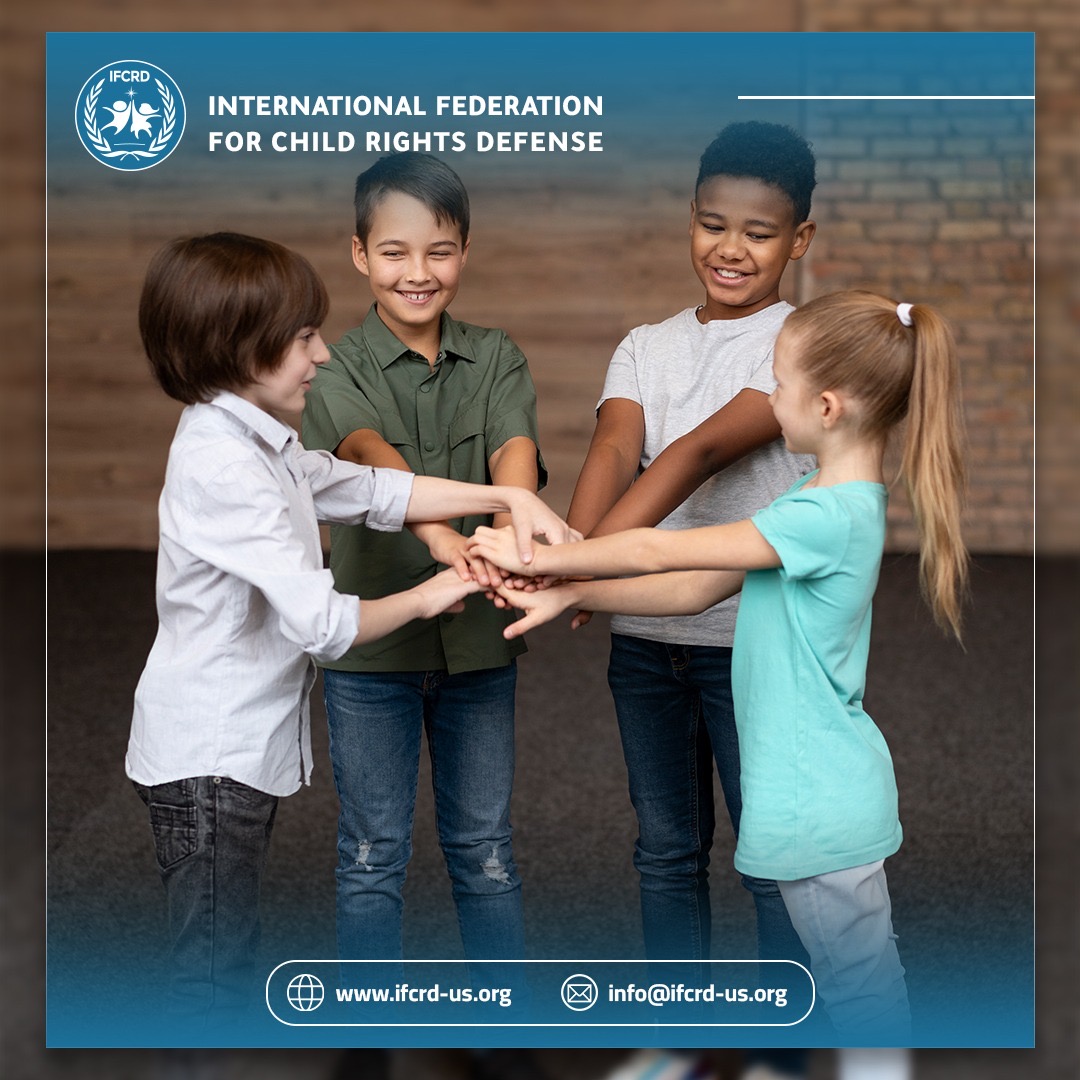
When a child engages in cooperative play with their peers, they enter a microcosm of society, through which they learn unwritten rules. For interpersonal relationships and bond building.
* The School of Negotiation and Effective Communication: Group play requires continuous coordination, role distribution, and agreement on rules. This interaction develops a child’s language skills, trains them to express their opinions clearly, and helps them listen to the opinions of others.
* Self-Management of Conflicts: Disagreements over roles or ownership of toys are perfectly healthy. When children are given a safe space without immediate adult intervention, they develop negotiation and compromise skills and learn practically that dialogue and understanding are the only way to continue and enjoy play.
* Reinforcing the Values of Cooperation and Teamwork: Working together to achieve a common goal (such as building a sandcastle or winning a team game) helps reduce selfishness and fosters collective thinking and empathy.
Fourth: Talking During Play and Its Role in Cognitive and Psychological Development.
The phenomenon of a child talking to themselves or addressing their toys and dolls during play—scientifically known as “directed self-talk” (or “private speech”)—is a crucial cognitive and developmental tool.
* Self-Regulation and Planning Mental: According to psychological studies, self-talk is a transitional stage for transforming external thoughts into silent internal thought. This self-talk helps the child organize their behavior, structure their actions, and focus their attention on the goal.
Emotional Release and Emotional Intelligence: Children use games to reenact anxious situations or everyday experiences (such as a doctor’s visit or an argument with a friend). The dialogues they create help them process feelings of fear and anxiety, giving them the ability to understand their emotions and release pent-up emotions in a safe and healthy way.
Language Development and Cognitive Growth: Individual play accompanied by talking serves as a language laboratory where children experiment with new vocabulary, sentence structure, and adult behavior patterns, boosting their self-confidence and accelerating their cognitive and linguistic development.
Fifth: Recommendation from the International Union for the Defense of Children’s Rights:
Our role as parents, educators, and institutions should not be that of a “director” who writes the script for the child’s life and activities, but rather that of an “engineer” who simply creates a safe environment, provides stimuli, and then steps back to observe with interest. And pride in how the child builds his independence and shapes his personality with his own hands.
📚References
1. American Academy of Pediatrics (AAP):
* Scientific report on “The Importance of Play in Promoting Early Childhood Development and Keeping Pace with Social, Emotional, and Cognitive Development.”
2. United Nations Children’s Fund (UNICEF):
* Guidebook on “Learning Through Play: Enhancing Early Childhood Education Frameworks and Developing 21st-Century Skills for Children.”
3. American Psychological Association (APA):
* Analytical studies on the phenomenon of “self-talk and its impact on cognitive and behavioral regulation in children during independent activities.”
4. World Health Organization (WHO):
* Guidelines for physical activity, sedentary behavior, and sleep for children under five years of age (emphasizing unsupervised free play as a healthy alternative to screens)