
The Impact of Family Stability on Emotional Development
Legal Protection of Children in Family Disputes
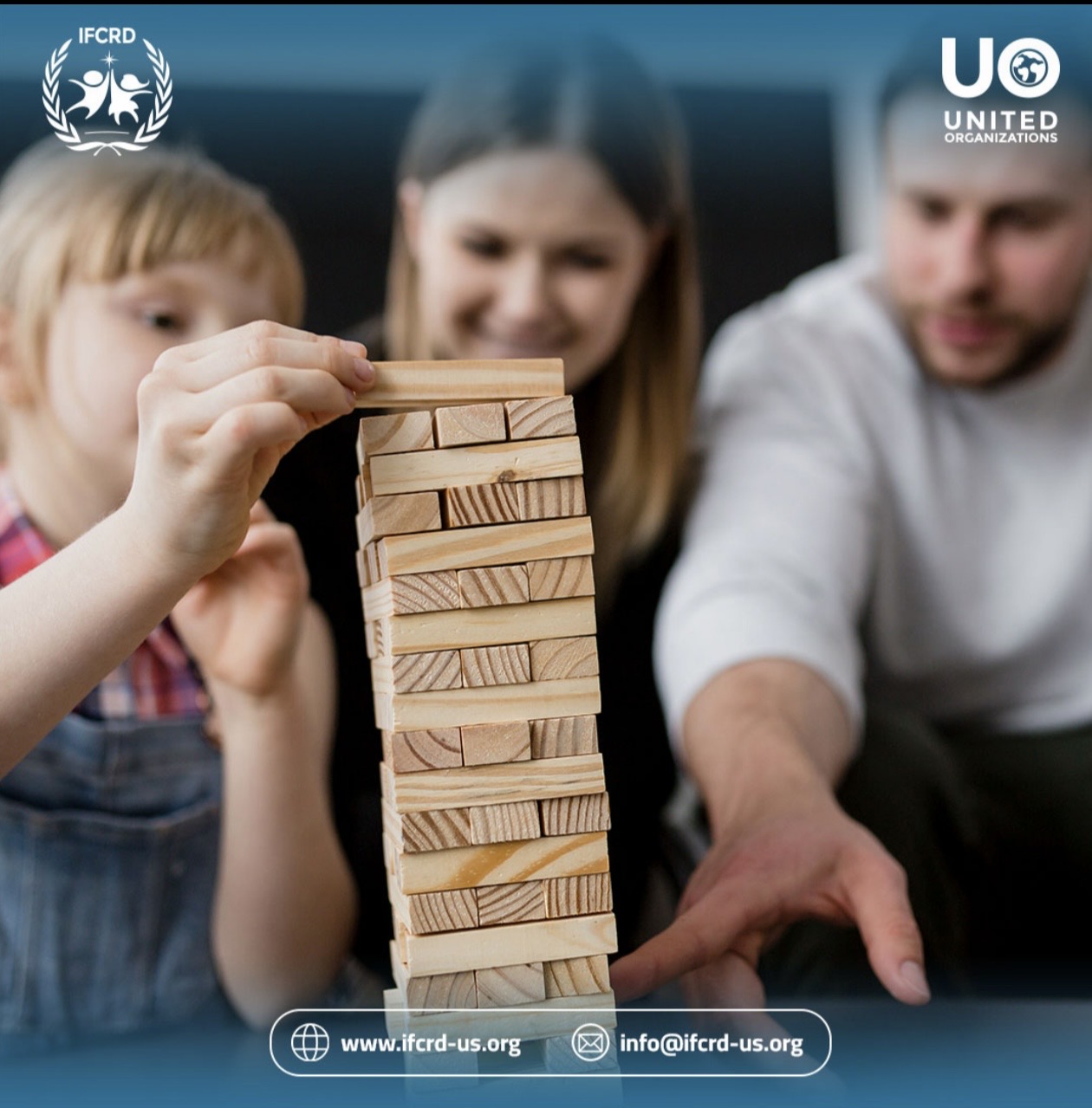
The family forms the primary framework within which the features of human personality are shaped. It is not merely a social unit, but a system of psychological security that reshapes a child’s response to the world around them. From this perspective, family stability is considered a fundamental developmental pillar that ensures balanced emotional growth and fosters a sense of safety and belonging in the child.
When this stability is disrupted, the impact does not stop at the emotional level; it extends to influence the child’s behavioral and cognitive structure. This calls for a comprehensive approach that combines psychological analysis with the legal framework governing child protection.
First: Behavioral Implications of Family Conflicts
When the family shifts from a nurturing environment to a space of conflict, the child faces pressures beyond their capacity to cope, which is reflected in various behavioral patterns, most notably:
- Loss of Educational Reference
The absence of family consistency confuses the child’s understanding of right and wrong, pushing them to seek external alternatives that may not provide proper guidance. - Compensatory Behaviors
Certain behaviors may emerge as unconscious expressions of emotional need, such as aggression or taking others’ belongings, as attempts to regain a sense of control or attract attention. - Decline in Internal Value Regulation
Ongoing conflict weakens the child’s internal value system due to the absence of a stable role model, making them more vulnerable to engaging in unregulated behaviors.
At this point, the issue transcends being merely an educational challenge and becomes a matter requiring legal intervention to protect the child from the consequences of such structural instability.
Second: The International Legal Framework for Child Protection
International law emphasizes the principle of prioritizing child protection, placing the child’s best interests above all other considerations, as affirmed in the Convention on the Rights of the Child:
🔹 The best interests of the child shall be a primary consideration in all actions (Article 3).
🔹 The child has the right to protection from all forms of abuse or neglect (Article 19).
🔹 The necessity of psychological and social recovery and reintegration (Article 39).
The Riyadh Guidelines also serve as a supportive framework for preventing juvenile delinquency by strengthening the role of the family in building a stable, preventive environment.
Third: Mechanisms to Promote the Child’s Psychological Balance
Protecting children from the effects of conflict requires the adoption of conscious parenting strategies that restore their sense of security, including:
🔹 Reinforcing positive behavior: Recognizing and valuing the child’s achievements to build self-confidence.
🔹 Safe emotional expression: Allowing space for expressing feelings through dialogue or creative activities.
🔹 Separating conflict from parenting: Preserving the image of parents as a safe reference, بعيدًا عن الخلافات.
🔹 Conscious behavioral modeling: Promoting conflict resolution through dialogue rather than violence.
Fourth: The Role of the International Federation for Child Rights and Defense (IFCRD)
At IFCRD, we play an integrated role that connects legal protection with preventive psychological intervention, ensuring that family conflict does not become a breaking point in a child’s developmental path, through:
- Legal advocacy to ensure the implementation of legislation that guarantees the child’s right to a safe environment.
- Rehabilitative intervention through specialized programs addressing behaviors resulting from conflict.
- Institutional support by providing psychological and social care environments that help restore the child’s balance.
💡 Awareness Note:
This content has been prepared for general educational and awareness purposes to promote understanding of child rights and family stability. It does not replace professional legal or psychological consultation in individual cases or complex disputes. It is always recommended to consult specialists to ensure accurate guidance tailored to each case.
📚 References:
• Convention on the Rights of the Child (CRC), 1989 — Articles (3, 19, 39).
• Riyadh Guidelines, 1990 — United Nations Guidelines for the Prevention of Juvenile Delinquency.