
The Engineering of Exclusion: How Society Constructs Invisible Walls Around a Child of Unknown Parentage
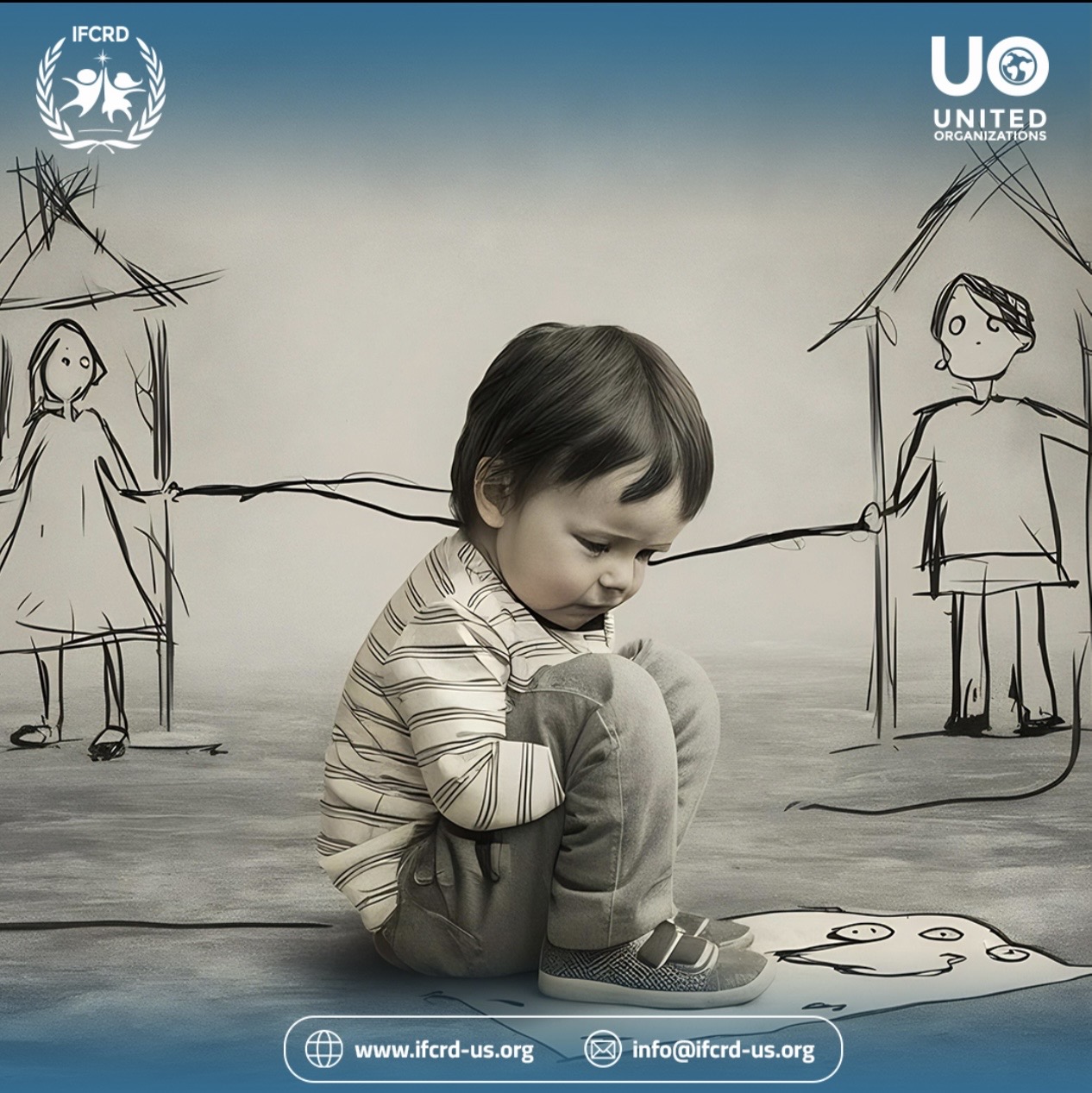
In the sociology of law and human rights, exclusion is not defined only as direct prohibition; it is often understood as “engineering”—the process of designing a social and legal system that places a certain group permanently on the margins. Children of unknown parentage in our societies are not merely victims of the absence of parents; they are victims of a social engineering of exclusion that punishes them for a fault they did not commit. This occurs through subtle mechanisms that begin with language and end with bureaucracy.
1. The Sociology of Stigma: Discrimination Embedded in Language
Exclusion begins with words. The use of terms that carry moral judgment about the circumstances of a child’s birth is one of the earliest tools of psychological harm. Even in institutional attempts at “softening” the terminology, the reference to the child’s social origin continues to define them through the absence of a family, rather than through the presence of their humanity. This creates a psychological barrier that prevents full integration and makes the child feel like an “other,” placed at a lower social standing.
2. Institutional Exclusion: The Bureaucratic Trap
Systems often practice an engineering of exclusion through procedures that appear routine but are deeply exclusionary. For example, placing symbols or indicators in official documents that reveal the child’s legal status exposes them to bullying or subtle exclusion in schools and social spaces. This kind of digital or administrative labeling follows the individual into adulthood and becomes a barrier when seeking marriage, employment, or social acceptance. The person thus finds themselves trapped in a closed cycle of exclusion that began at the moment of birth.
3. The Economic Gap: Exclusion from Social Mobility
This structure of exclusion becomes complete when a young person of unknown parentage encounters solid barriers while trying to build an independent future. Here, discrimination extends to material empowerment obstacles. The absence of a “family guarantor” or inheritance places these youth at a significantly disadvantaged starting point compared with their peers. This form of soft exclusion makes it difficult to access funding, housing, or stable employment, contributing to the reproduction of marginalization and confining them to the lower rungs of the social ladder due to the absence of supportive institutional alternatives.
💫 The Federation’s Role: Dismantling the Structure of Exclusion
At the International Federation for Child Rights and Defense (IFCRD), we believe that confronting the engineering of exclusion requires a counter-engineering of rights and empowerment. The Federation works along three strategic axes:
First, legislative advocacy aimed at purifying official records from any discriminatory indicators that violate a child’s privacy.
Second, social rehabilitation through awareness campaigns that shift society’s perception from pity to legal entitlement.
Third, human-rights monitoring to ensure equal economic and professional opportunities. The Federation seeks to ensure that the right to identity and integration is not merely a written principle but a living right practiced in reality.
📚 References
- Convention on the Rights of the Child (CRC), United Nations General Assembly – Article 2 (Non-Discrimination) and Article 8 (Right to Identity).
Convention on the Rights of the Child (CRC), Nov. 20, 1989, 1577 U.N.T.S. 3. - International Covenant on Economic, Social and Cultural Rights (ICESCR) – Article 11 (Right to an Adequate Standard of Living).
International Covenant on Economic, Social and Cultural Rights (ICESCR), Dec. 16, 1966, 993 U.N.T.S. - Arab Charter on the Rights of the Child (ACRC), League of Arab States – Article 7 (Prohibition of Discrimination Based on Lineage).
Arab Charter on the Rights of the Child (ACRC), 2004, Art. 7. - Egyptian Child Law (ECL), Law No. 12 of 1996 as amended by Law No. 126 of 2008 – Article 6 (Right to a Name and Surname).