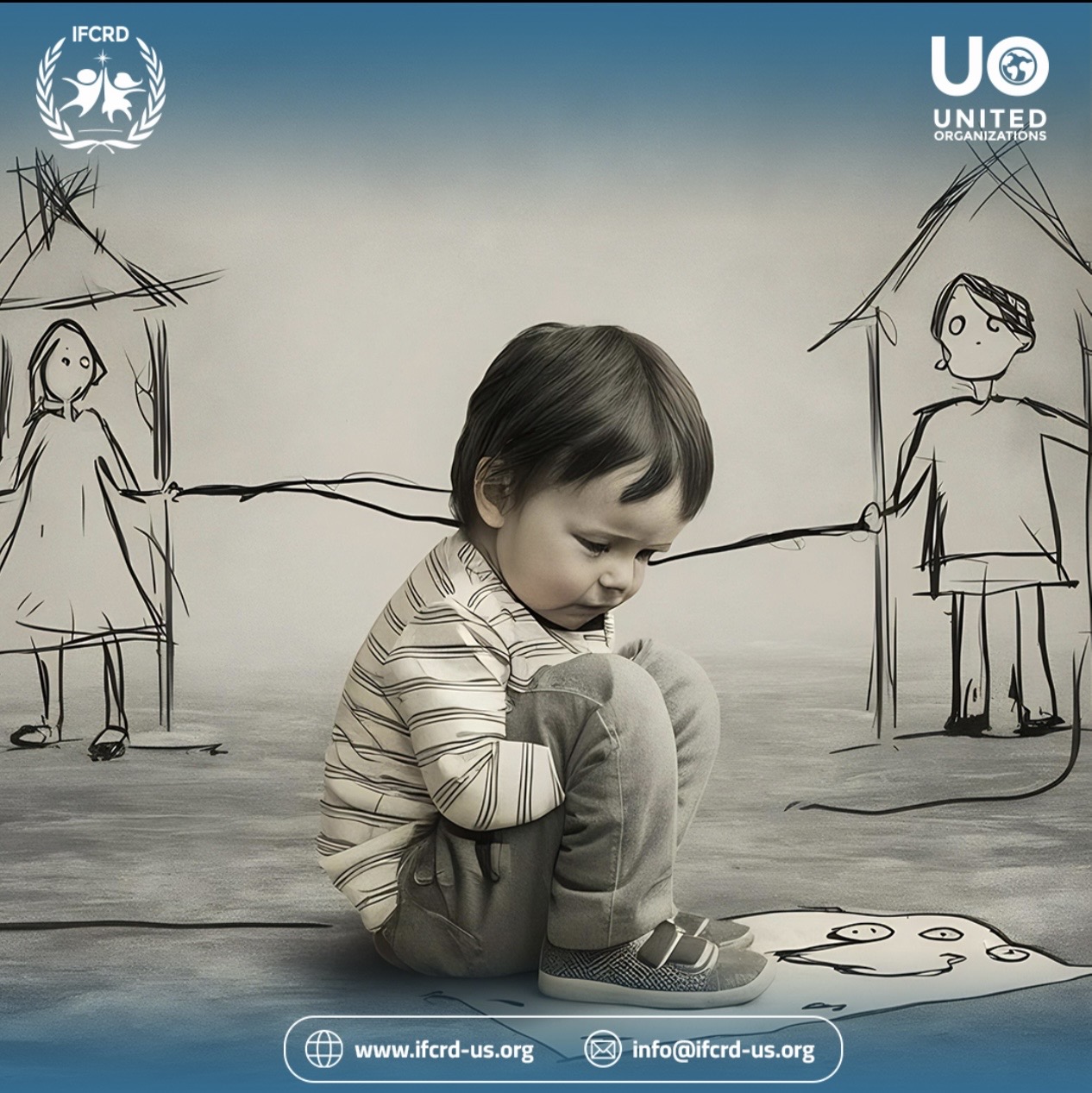

The Home as a Safe Haven: The Psychology of Psychological Support for the Child
“Practical practices in active listening, therapeutic play, and emotional regulation”
Building a safe home environment is not merely an educational luxury; it is a fundamental rights-based entitlement that ensures balanced development for the child. Modern psychological studies confirm that the sense of safety is the “secure base” upon which cognitive and social development is built. Without it, the child’s other skills often remain in a state of constant confusion and instability.
First: Active Listening Methods (Carl Rogers’ Perspective)
The renowned psychologist Carl Rogers, founder of Person-Centered Therapy, believed that “accurate empathy” is the most powerful tool for psychological change. In the home context, this can be applied through:
- Presence:
Giving the child full attention while speaking, removing digital distractions, and conveying the message: “You matter.” - Paraphrasing:
Reflecting what the child said in your own words (for example: “You’re saying you felt sad because your friend didn’t share the toy with you?”).
This reassures the child that they are heard and deeply understood. - Unconditional Acceptance and Avoiding Judgment:
The essence of active listening is avoiding judgment (such as: “That’s a silly reason to cry” or “You are the one at fault.”).
Accepting the child’s emotions as they are, without immediately evaluating them, gives the child the courage to share deeper fears without fear of punishment or ridicule, thereby reducing existential anxiety.
Second: Therapeutic Play (Garry Landreth Approach)
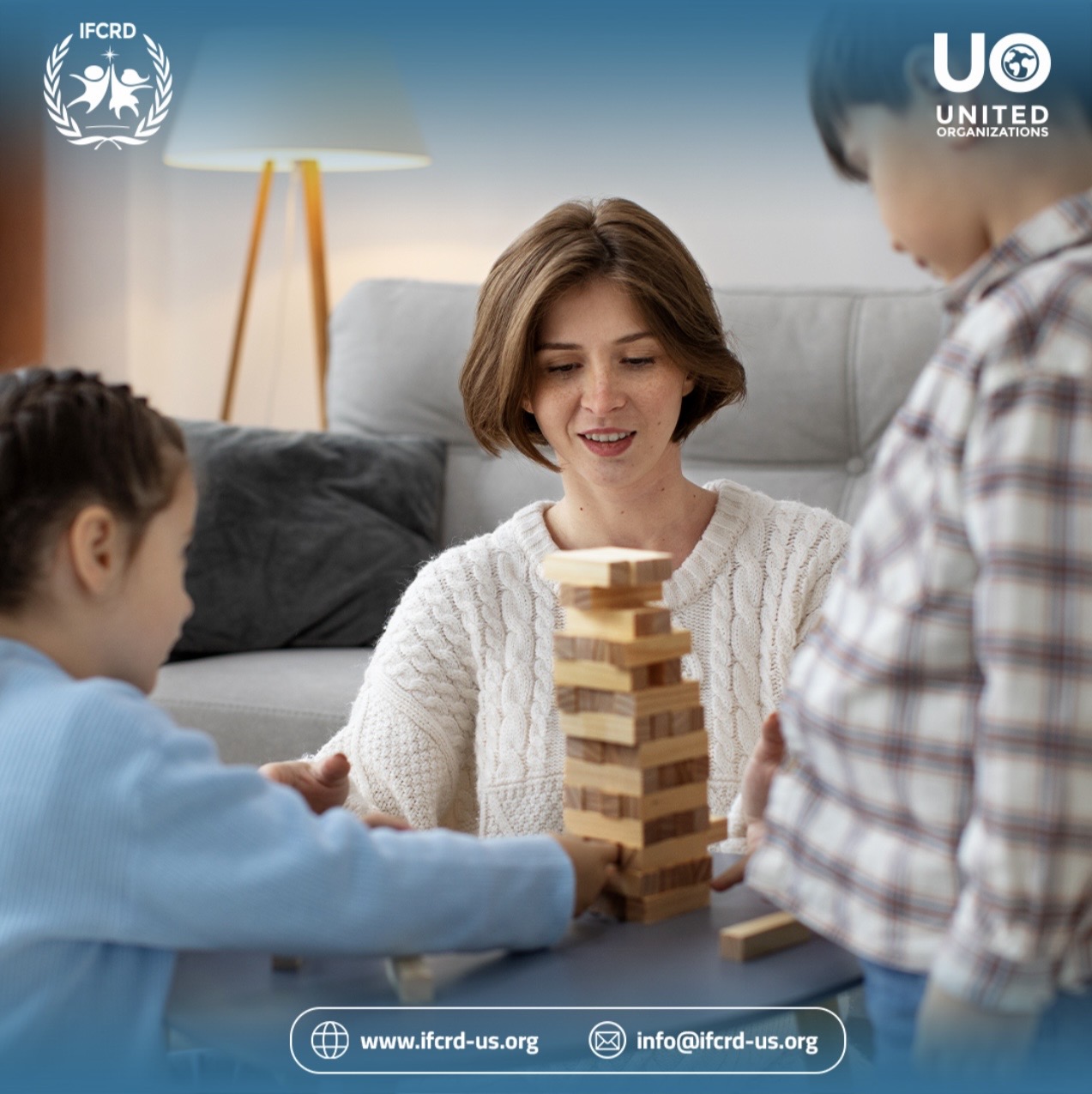
Garry Landreth, a pioneer of Play Therapy, emphasizes that “play is the child’s language, and toys are the child’s words.” Parents can apply “special playtime” through:
- Behavior Tracking:
Describing what the child is doing during play without directing or instructing (for example: “You decided to make this car go very fast.”).
This helps develop the child’s sense of control and independence. - Reflecting Feelings and Social Development:
If the child acts out an angry scene with a doll, the parent might say: “It seems this doll is very angry right now.”
Note:
Therapeutic play helps the child develop social intelligence. Through role-playing, the child learns negotiation, turn-taking, and understanding others’ perspectives. Thus, play becomes not merely entertainment but a safe social laboratory.
Third: Co-Regulation and the “Whole-Brain” Theory
Children do not naturally possess the ability to calm themselves when angry or afraid. Here, parents act as an external regulator of the child’s nervous system. Based on the research of neuroscientist Daniel Siegel, calm parental interaction leads to:
- Activation of the Prefrontal Cortex:
When parents respond calmly, they help the child connect the “lower brain” (responsible for intense emotional reactions) with the “upper brain” (responsible for thinking and reasoning). - Building Neuroplasticity:
Repeated experiences of the home as a safe haven actually reshape the child’s brain structure, enabling them to face life crises more resiliently in the future without psychological collapse—achieving the highest level of prevention against mental disorders.
References and Sources (Hybrid Citation Model)
This scientific material issued by the International Federation for Child Rights and Defense is based on the following international references:
1. Legal and Human Rights Sources
- Convention on the Rights of the Child (1989) – United Nations General Assembly, Articles 19 (protection from violence) and 27 (adequate standard of living for development).
- Universal Declaration of Human Rights (1948) – Article 25, which states the necessity of special care and assistance for childhood.
2. Scientific Sources (APA 7th Edition)
- Landreth, G. L. (2023). Play Therapy: The Art of Relationships (4th ed.). Routledge.
- Rogers, C. R. (1951). Client-Centered Therapy: Its Current Practice, Implications, and Theory. Houghton Mifflin.
- Siegel, D. J., & Bryson, T. P. (2020). The Whole-Brain Child. Delacorte Press.
- Porges, S. W. (2021). Polyvagal Safety: Attachment, Communication, and Self-Regulation. Norton & Company.
- World Health Organization (2024). Guidelines on Mental Health for Children and Adolescents. Geneva: WHO Publications.