
Chromosome of Love: The Comprehensive Guide to Supporting Children with Down Syndrome ❤️
Introduction: “Children of the Extra Chromosome”
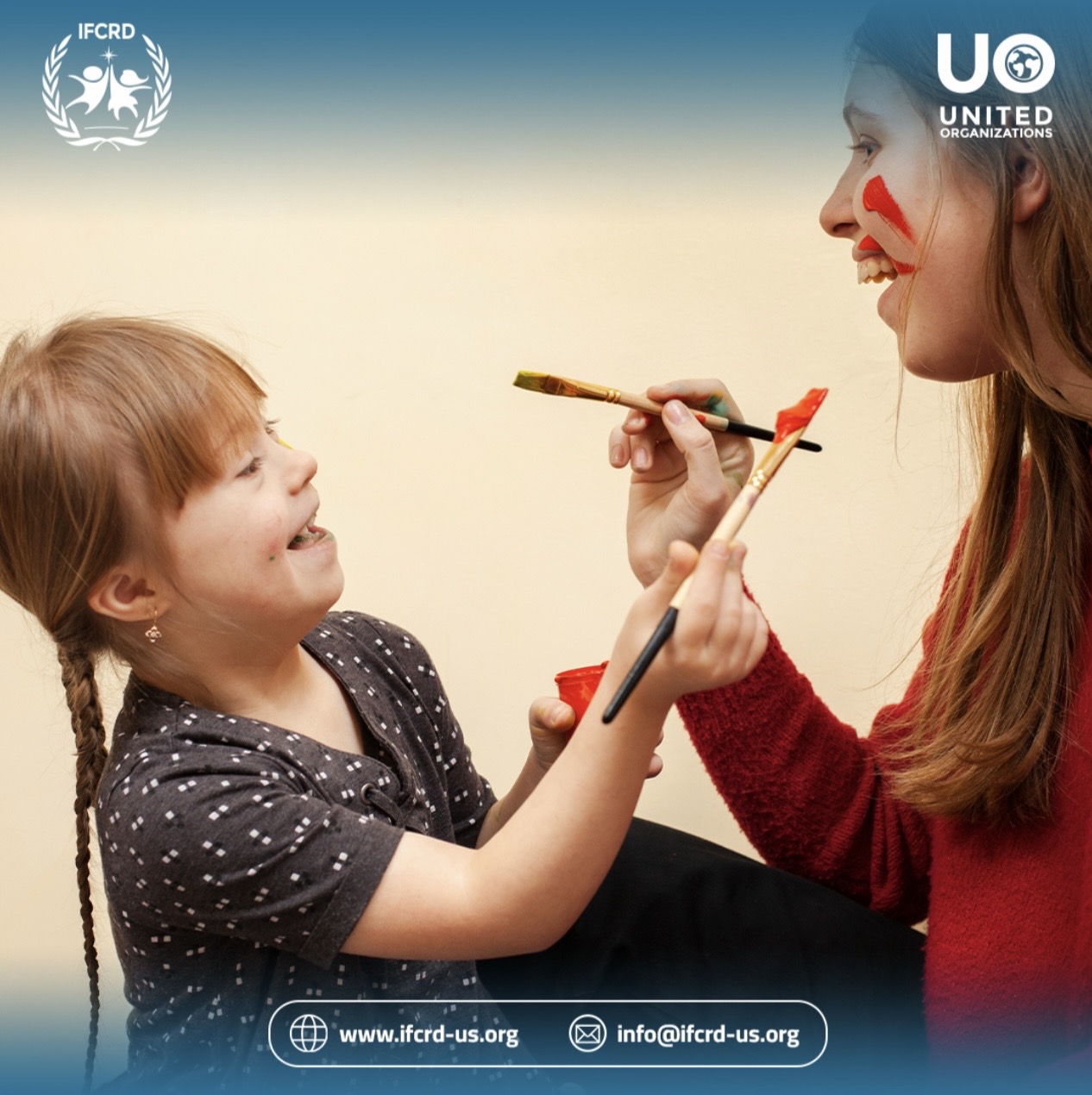
Children born with Down Syndrome are often called “children of the extra chromosome,” referring to the third copy of chromosome 21 that gives them unique genetic traits. They are not merely individuals with a biological difference, but a deeply genuine and radiant human energy. This roadmap aims to empower them in line with their right to health and development under the Convention on the Rights of Persons with Disabilities.
First: Health Care and Early Intervention
Close medical follow-up from birth is the cornerstone of care. Regular screening for heart conditions and thyroid function is essential. Physical and occupational therapy help develop motor skills and promote independence.
Second: Recommended Nutrition Plan :
Due to slower metabolism and a tendency toward weight gain, a smart nutritional plan should focus on:
- Brain-boosting foods: Emphasize Omega-3 fatty acids found in fish and walnuts to support cognitive function.
- Fiber and fluids: Crucial for addressing common digestive sluggishness—leafy greens and whole grains are highly recommended.
- Lean proteins: Such as chicken, eggs, and legumes to build muscle mass and address Hypotonia.
- Foods to avoid: Limit refined sugars and saturated fats, which can lead to obesity and negatively affect thyroid efficiency.
Third: Speech and Language Strategies:
Children with Down Syndrome often experience speech delays due to a smaller oral cavity and low tongue muscle tone. Effective approaches include:
- Total Communication approach: Combining simple sign language with spoken words to reduce frustration.
- Oral-motor exercises: Using tools like straws or blowing bubbles to strengthen facial and speech muscles.
- Early reading method: Leveraging strong visual memory by pairing written words with images.
- Modeling and imitation: Repeating words slowly with exaggerated lip movements to support visual learning.
Fourth: Behavior and Responses
A structured daily routine helps reduce anxiety. Visual supports (pictures and color-coded cards) are highly effective, as these children often excel in processing visual information more than auditory input.
Fifth: Psychological and Social Support
Encouraging hobbies such as swimming enhances self-confidence. Developing independence in daily life skills (dressing, eating) is a key educational goal aligned with the principle of independent living under the Convention on the Rights of Persons with Disabilities (Article 19).
📚 References:
- National Down Syndrome Society
National Down Syndrome Society (NDSS). (2026). Health Care and Nutrition Guidelines for Down Syndrome. NDSS Publications. - American Academy of Pediatrics
American Academy of Pediatrics (AAP). (2026). Health Supervision for Children and Adolescents with Down Syndrome. Pediatrics Journal. - Down Syndrome Education International
Down Syndrome Education International (DSEI). (2026). Speech and Language Development Strategies. DSEI Press.